What We Take
Furniture Removal
Give old sofas, tables, shelves, and cabinets a clear route out of the room and into the right-size container.
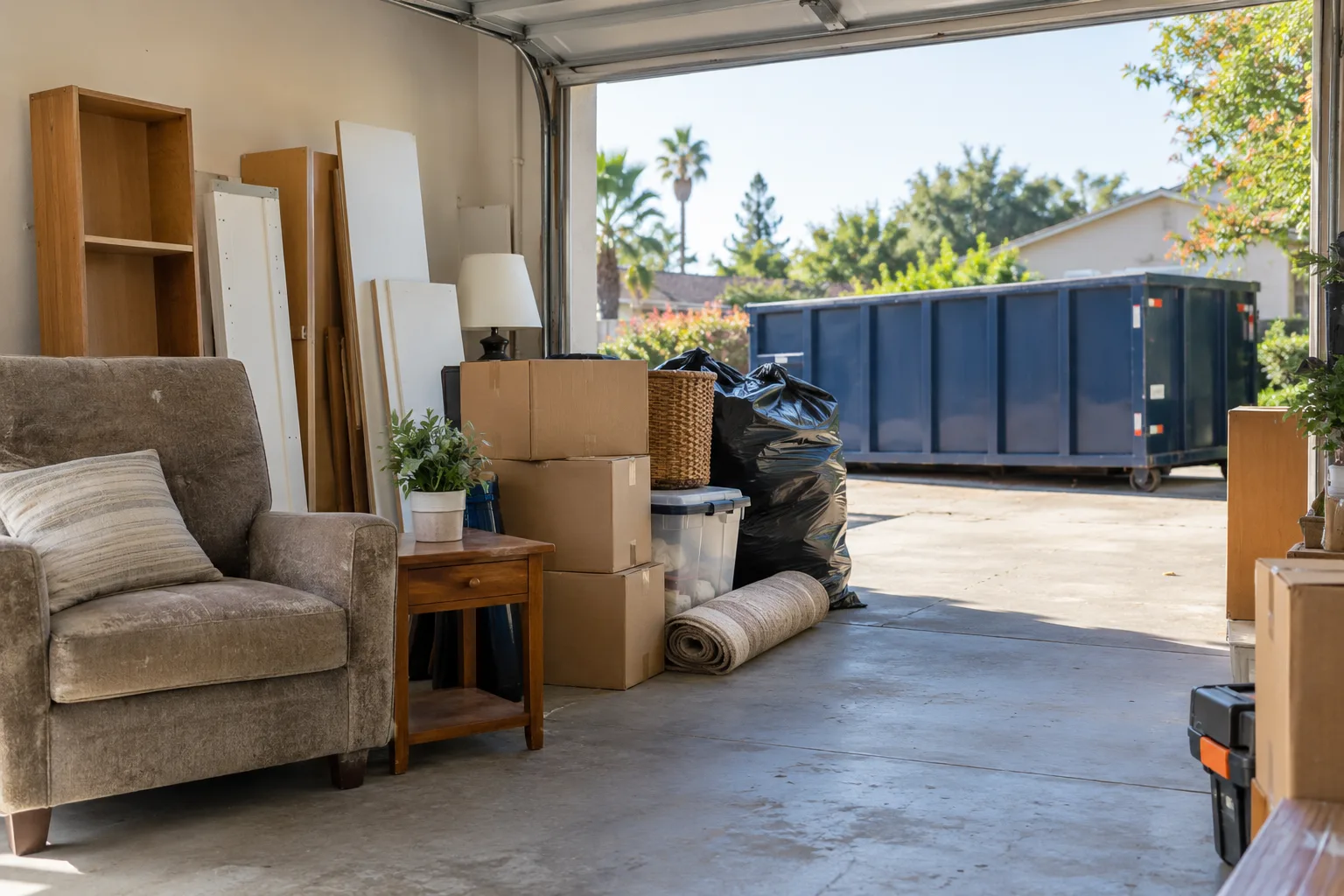
Plan the load
Measure the pieces and the path.
Furniture fills space in uneven ways. Count the largest items, note what can be safely disassembled, and make sure doorways, stairs, and the path to the dumpster stay clear.
What to sort before you call
- Sofas and loveseats
- Tables and chairs
- Dressers and wardrobes
- Bookcases and shelving
- Office desks and cabinets
- Bed frames and headboards
Material rules vary.
Upholstered pieces, items with glass, and furniture containing electronics may need special handling. Confirm acceptance before loading.
Ask about your material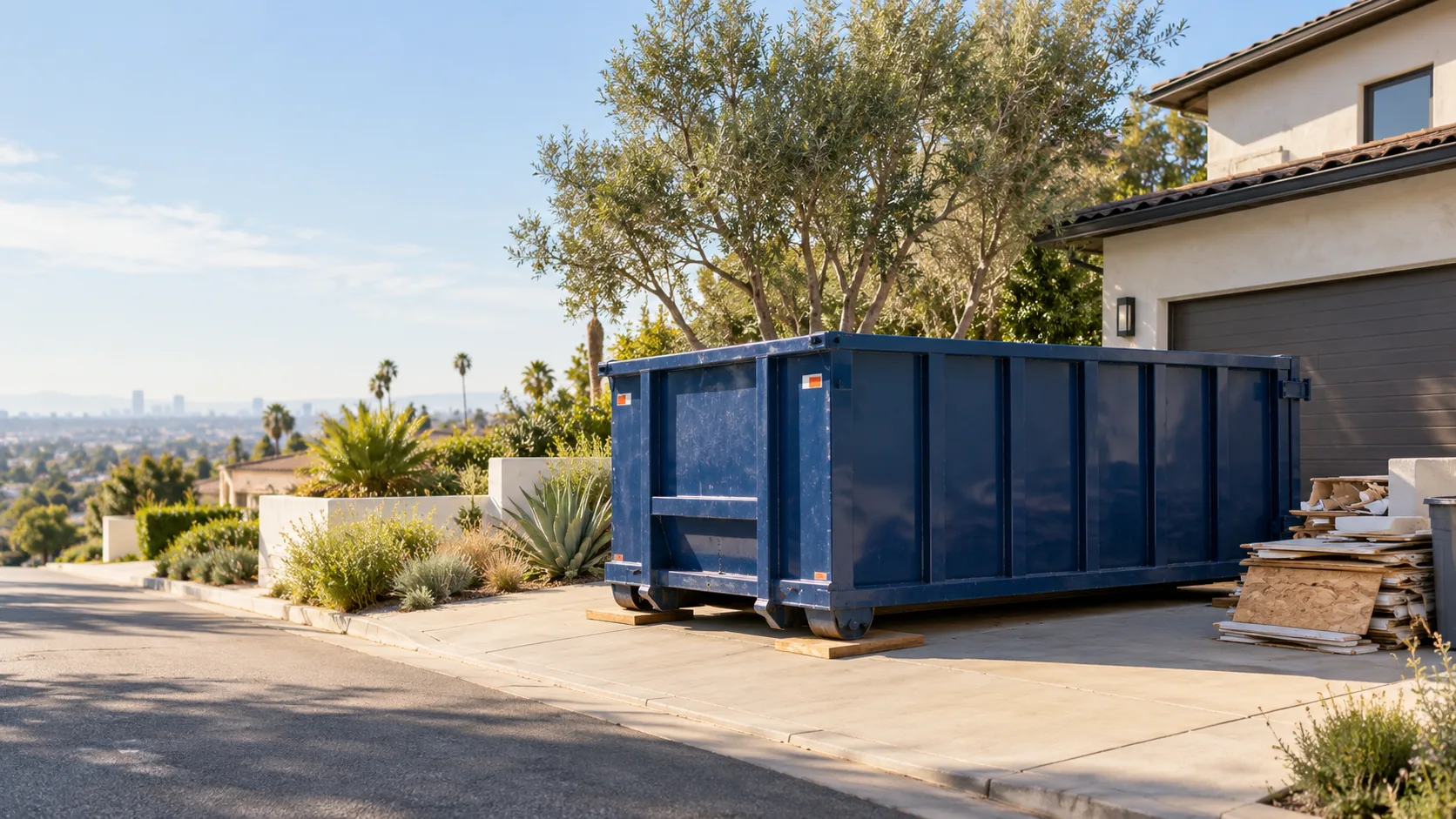
Choose by volume
The right bin starts with the real pile.
Count the bulky pieces, note anything unusually heavy, and estimate how much floor space the loose material takes up. Then compare the four container sizes or call for help narrowing it down.
Compare dumpster sizesQuick answers
Before you load.
Should I take furniture apart first?
Disassembly can save space when it can be done safely. Keep hardware and sharp edges controlled, and do not create an unstable load.
Can I load glass tables or mirrors?
Ask first. Glass and mirrors can break during loading and may require different preparation or handling.
How do I estimate the size I need?
List the largest pieces first, then add boxes, bags, and loose material. A phone conversation can help turn that inventory into a starting size.