What We Take
Appliance Removal
Appliances are bulky, heavy, and sometimes regulated differently from ordinary debris. Identify each unit before you make a loading plan.
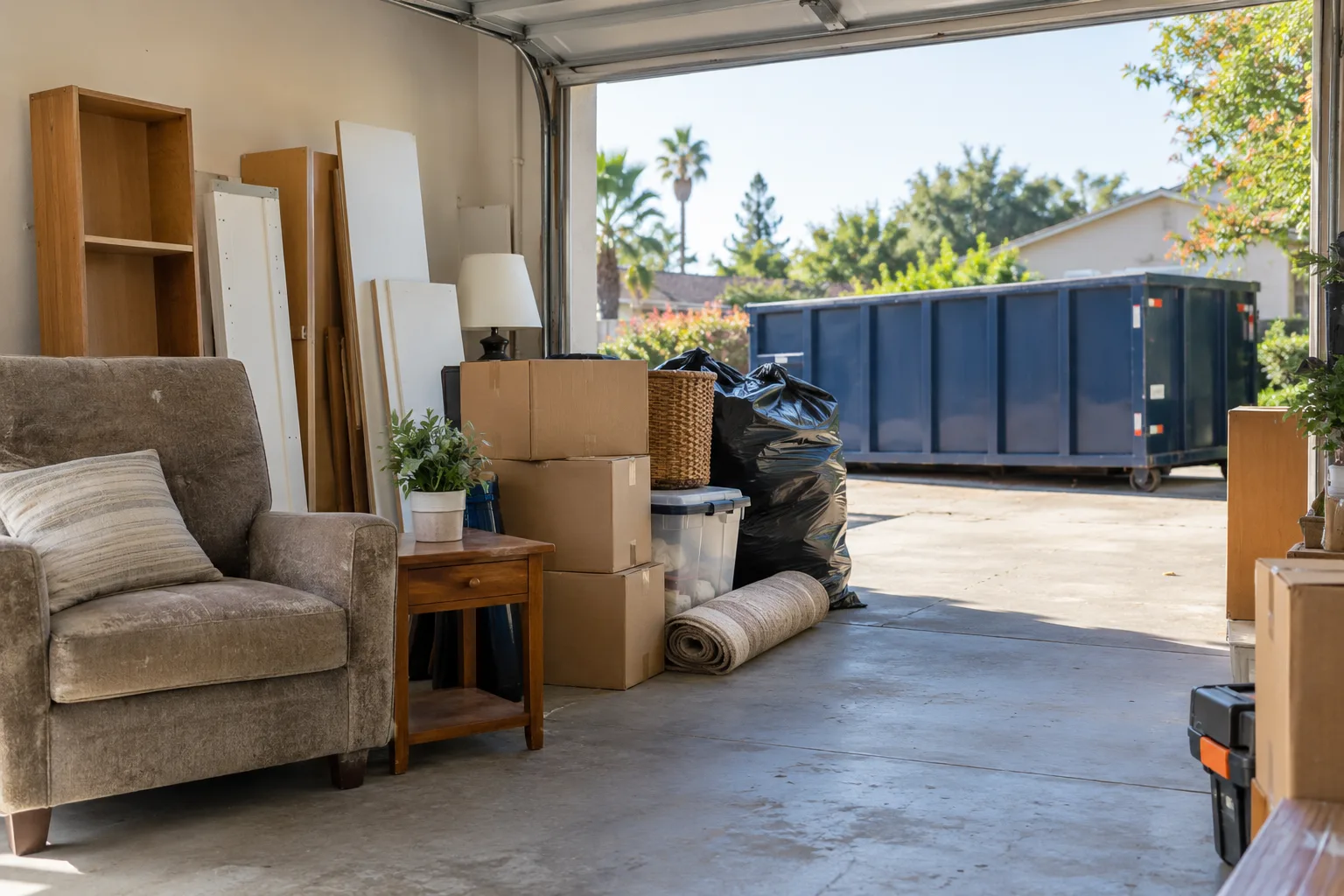
Plan the load
Name every appliance before loading.
A refrigerator is not the same as a microwave, and either can change how a project should be handled. List the appliance type, condition, and approximate size when you call.
What to sort before you call
- Refrigerators and freezers
- Washers and dryers
- Ranges and ovens
- Dishwashers
- Microwaves
- Window air-conditioning units
Material rules vary.
Appliances can contain refrigerants, oil, electronics, or other components that need separate handling. Do not place an appliance in a dumpster until acceptance is confirmed.
Ask about your material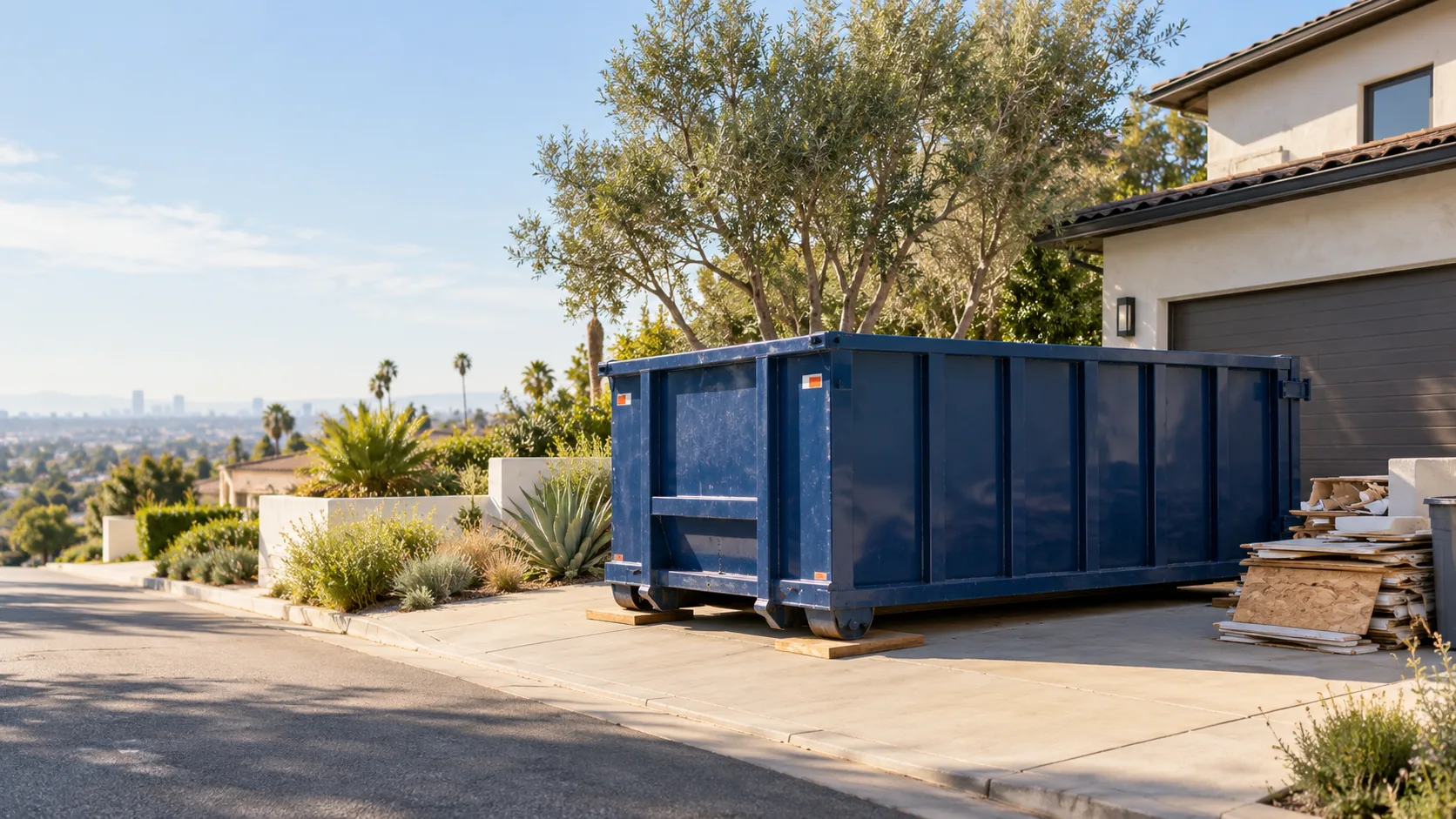
Choose by volume
The right bin starts with the real pile.
Count the bulky pieces, note anything unusually heavy, and estimate how much floor space the loose material takes up. Then compare the four container sizes or call for help narrowing it down.
Compare dumpster sizesQuick answers
Before you load.
Can a refrigerator go in the dumpster?
Do not assume it can. Refrigerators and freezers may require refrigerant recovery or separate handling. Ask before loading.
What about washers and dryers?
List each unit when you call. Weight, local rules, and container policy can affect the plan.
Should appliances be emptied?
Yes. Remove food, clothing, water, loose shelves, and personal items before handling.